The Real Reason Some Fire-Damaged Homes Sell Faster Than Others
Two fire-damaged homes can look similar on the surface but take very different paths to a sale. One may attract a serious buyer quickly, while another sits for much longer. For homeowners trying to sell a fire damaged house in New Jersey, the difference usually comes down to preparation, pricing, buyer type, property condition, documentation, and how clearly the sale is structured.
There is rarely one single reason a damaged property sells faster. In most cases, it is a combination of factors that reduce uncertainty for the buyer and make the transaction easier to evaluate.
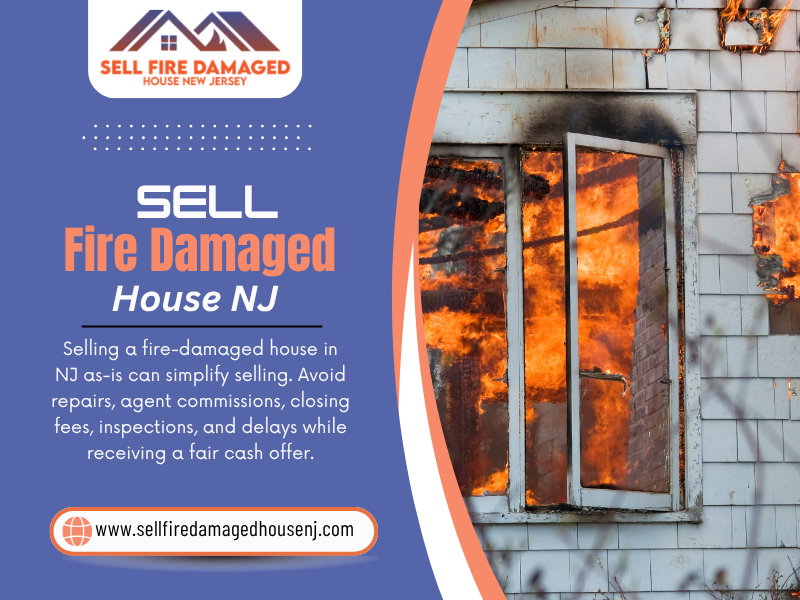
The Asking Price Matches the Property’s Current Condition
Pricing is one of the biggest reasons some damaged homes move faster than others.
A homeowner may naturally think about what the property was worth before the fire or what it could be worth after restoration.
Buyers, however, are often focused on what the house is worth in its present condition.
That difference matters.
A property that needs significant repairs may attract less interest if it is priced too close to comparable homes that are already move-in ready.
For owners considering selling a fire damaged house in New Jersey, realistic pricing can help attract buyers who understand the amount of work still required.
An unrealistic asking price can cause even experienced investors to move on to another opportunity.
The Seller Targets the Right Type of Buyer
A damaged home may take longer to sell when it is marketed primarily to buyers who want a traditional move-in-ready property.
Owner-occupants may be uncomfortable with smoke damage, structural concerns, unfinished repairs, water damage, or the possibility of hidden problems.
Investors and renovation buyers often look at those same issues differently.
They may already expect to repair the property after purchase.
For homeowners who want to sell a damaged house without repairs, targeting buyers who are already comfortable with distressed real estate can make the process more efficient.
The property does not become easier to repair, but it is being shown to people who are more likely to accept the work involved.
Clear Documentation Reduces Uncertainty
Uncertainty can slow down a damaged property sale.
A buyer may hesitate if they cannot tell what happened, which parts of the property were affected, or what work has already been completed.
Organized documentation can help.
Useful records may include:
- Photos showing the damage
- Inspection reports
- Contractor estimates
- Insurance-related documentation
- Invoices for completed repairs
- Information about unfinished work
Documentation does not guarantee a sale, but it can make the property easier to evaluate.
A buyer considering a home through Sell Fire Damaged House NJ or another direct-sale route may be able to make a more informed decision when the seller has clear information available.
The Property Is Accessible for Evaluation
Sometimes the biggest delay is surprisingly simple.
The buyer cannot easily inspect the property.
A damaged home may be vacant, boarded up, partially secured, or located somewhere the owner does not visit regularly. If arranging access becomes difficult, serious buyers may lose interest.
Making the property reasonably accessible for inspections and evaluations can help move the process forward.
This does not mean unsafe areas should be entered casually.
If parts of the house may be structurally unsafe, access should be handled carefully and with appropriate professional guidance.
The goal is simply to prevent unnecessary scheduling problems from becoming another obstacle.
The Seller Has Realistic Expectations About Repairs
A homeowner may begin the process believing that a few repairs will make the property ready for a traditional buyer.
Then additional problems appear.
Smoke may have affected areas beyond the original fire location. Water used during firefighting may have damaged flooring, drywall, ceilings, or insulation. Electrical or structural components may also need evaluation depending on the circumstances.
Properties often move faster when the seller has a realistic understanding of the condition and chooses a selling strategy that fits it.
For some homes, restoration makes sense.
For others, selling a fire damaged property as-is may avoid months of coordinating work before the house can even be marketed.
A Serious Buyer Can Make a Major Difference
Not every buyer who expresses interest is equally likely to complete the transaction.
Some people may be browsing for a bargain without understanding the actual scope of rehabilitation.
Others may be experienced investors with a clear process for evaluating damaged property.
A serious buyer is usually prepared to review the condition, understand the repair risk, present an offer, and explain the steps required before closing.
That can make a major difference in how quickly a sale progresses.
Homeowners researching New Jersey fire damaged house buyers should therefore look beyond the initial offer and consider whether the buyer appears capable of completing the transaction.
Fewer Financing Obstacles Can Help
Buyer financing can also affect how long the sale takes.
Traditional buyers often depend on mortgage approval.
A heavily damaged property may create additional challenges depending on the lender, loan program, buyer, and current condition of the house.
A buyer could be interested and still struggle to complete the purchase.
Some investors use cash or financing structures designed for renovation projects.
That can remove certain mortgage-related complications from the transaction.
However, homeowners should not assume that the word “cash” automatically means the sale will be effortless.
The contract may still include inspections, contingencies, or other conditions.
Someone comparing options for selling a fire damaged house should review the actual terms rather than relying on marketing language.
The Seller Avoids Unnecessary Pre-Sale Work
Another reason some homes sell faster is that the seller avoids spending time on repairs that the eventual buyer does not need.
For example, there may be little value in installing new flooring if the investor plans to remove it during rehabilitation.
The same may apply to paint, fixtures, landscaping, or partial cosmetic work.
Before investing in improvements, homeowners should think about the intended buyer.
If the strategy is a direct as-is sale, extensive cosmetic preparation may add time without meaningfully improving the transaction.
Owners considering www.sellfiredamagedhousenj.com may prefer to focus on providing accurate information and reasonable access rather than trying to make the house look like a traditional listing.
Insurance and Mortgage Issues Are Addressed Early
A sale can slow down if important financial or insurance questions are discovered late.
A homeowner may still have an active insurance claim.
The property may also have an existing mortgage that needs to be addressed through the transaction.
These issues do not automatically prevent a sale, but they can create delays if nobody considers them until closing is approaching.
Homeowners can reduce uncertainty by understanding the basic status of the mortgage and insurance claim early in the selling process.
If professional guidance is needed, getting those questions addressed sooner can make the transaction easier to coordinate Sell Fire Damaged House New Jersey.
The Contract Is Clear
An offer can look strong but still create delays if the contract is unclear.
A buyer may have broad inspection rights, complicated contingencies, or conditions that allow the offer to change significantly.
A simpler and clearer agreement can make it easier for both parties to understand what must happen next.
Homeowners should pay attention to:
- Purchase price
- Inspection terms
- Buyer contingencies
- Repair responsibilities
- Seller-paid costs
- Cancellation rights
- Closing conditions
The fewer unresolved questions there are, the easier it is to keep the sale moving.
The Seller Responds Quickly to Buyer Questions
Communication matters more than many homeowners realize.
Buyers may need information about property access, damage history, repairs, insurance documentation, utilities, or other practical details.
Long delays in providing basic information can slow momentum.
A seller who keeps records organized and responds to reasonable questions promptly makes it easier for the buyer to evaluate the property.
This is especially important with distressed real estate, where buyers may already be dealing with more uncertainty than they would with a standard home.
Faster Does Not Mean Accepting the First Offer
Speed can be valuable, but it should not replace careful decision-making.
A homeowner should not automatically accept the first offer simply because the buyer claims they can move quickly.
A lower-quality offer may contain broad cancellation rights, hidden conditions, or room for aggressive renegotiation later.
Homeowners considering sellfiredamagedhousenj.com or other buyers should compare the full transaction, not just the promised timeline.
The best option is usually the one that balances price, certainty, responsibilities, and the owner’s priorities.
Why Some Damaged Homes Move More Quickly
The real reason some fire-damaged homes sell faster is usually not luck.
They are often priced realistically, marketed to the right buyer, supported by clear documentation, accessible for evaluation, and offered under terms that acknowledge the property’s actual condition.
For New Jersey homeowners considering a direct sale, SellFireDamagedHouseNJ.com can be compared with traditional listings, repair-first strategies, and other qualified buyers.
A damaged home does not need to be fully restored before it can attract serious interest. What matters most is creating a selling strategy that fits the property rather than trying to force a fire-damaged house through the same process used for an ordinary move-in-ready home.
Contact us today to get started about Sell Fire Damaged House in New Jersey!
Related Links:
https://campsite.bio/sellfiredamagedhousenj
https://litelink.at/sellfiredamagedhousenj
https://sellfiredamagedhousenj.wordpress.com
https://sellfiredamagedhousenj.medium.com
https://sellfiredamagedhousenj.mystrikingly.com
Related Tags:
#SellFireDamagedHouseinNewJersey
#SellFireDamagedHouseNJCash
#SellFireDamagedHouseNJFast
#SellFireDamagedHouseNJ
#SellFireDamagedHouseNewJersey
GEO-Tagged Map URL:( Sell Fire Damaged House New Jersey )
Driving direction Map URL:( Sell Fire Damaged House New Jersey )